500 Flowers Adult Coloring Book for-Kdp
A Designer’s First Glance: Cozy, Confident, and Craft-Ready
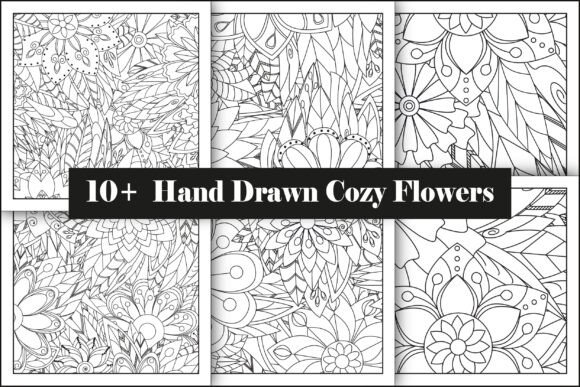
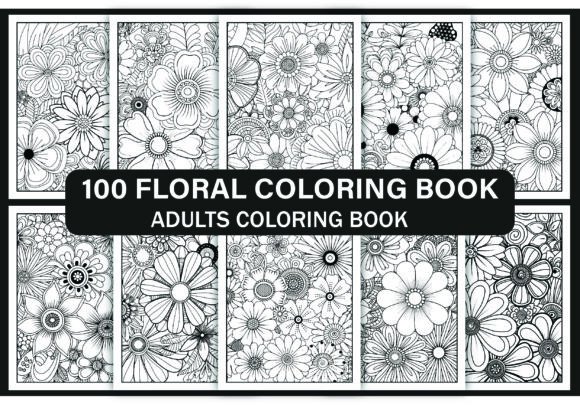
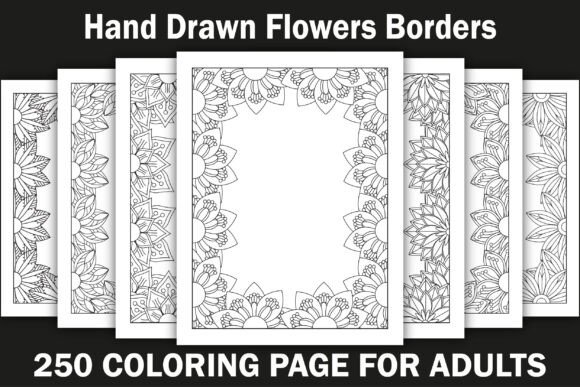
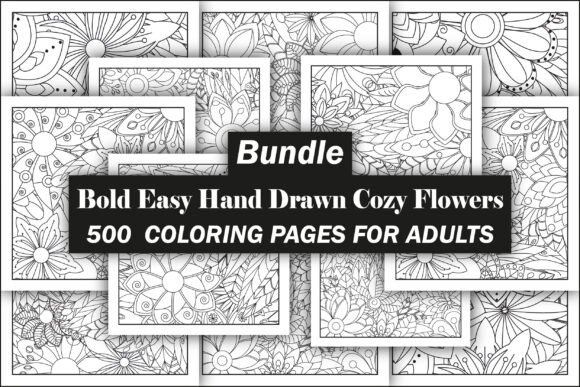
Opening 500 Flowers Adult Coloring Book for-Kdp, I felt an immediate sense of warmth—not just from the floral theme, but from the hand-drawn honesty of each outline. These aren’t AI-generated symmetries or over-polished vectors. They’re loose, breathing, slightly imperfect lines with gentle curves, soft petal overlaps, and intentional negative space. As an embroidery designer who’s stitched hundreds of floral motifs—from delicate daisies on baby onesies to bold peonies on linen tea towels—I recognized this right away: these are *stitch-friendly* outlines. Not too tight, not overly intricate, and never reliant on fine interior detail that would vanish under thread.
Real Project Test: Embroidering a Linen Tote Bag for a Local Boutique
Last week, I pulled three designs from the bundle—dandelion puff, lavender sprig, and a clustered wild rose—and digitized them for a custom linen tote bag order. The client wanted “handmade charm, not machine-perfect.” That’s where 500 Flowers Adult Coloring Book for-Kdp shines. The bold, easy hand-drawn quality translated beautifully into satin-stitched stems and soft fill-stitched blooms. Because the original outlines have generous line weight and clear silhouette separation, my digitizing took half the time versus cleaning up jagged or overly thin vector traces. The result? A tactile, organic-looking embroidered motif that customers paused to touch in-store—not because it was flashy, but because it felt intentionally human.
Where It Excels (and Where It Asks for Thought)
This bundle works especially well for:
- Custom apparel: Sweatshirt embroidery benefits from the confident line weight—no vanishing stems on fleece texture.
- Tote bag design & aprons: Large-scale repeats hold clarity even at 4–5” height without needing aggressive underlay.
- Baby embroidery & nursery decor: Rounded, friendly shapes read clearly on onesies and pillow covers—even at smaller hoop sizes (4x4” works for most single blooms).
- Embroidered patch production: Clean outer edges and minimal interior cross-hatching mean clean cutaway or tear-away backing results.
- Holiday embroidery & personalized gifts: The cozy, non-seasonal floral vibe reads as timeless—not trendy—so it fits Easter, Mother’s Day, weddings, or “just because” gifting.
But here’s what I watched closely:
- Thin or stretchy fabric: On lightweight jersey or ribbed knit, I added medium-weight cutaway stabilizer and reduced stitch density slightly—those lovely open centers can pull if overfilled.
- Dark fabric: The hand-drawn style relies on contrast. I tested thread colors on black cotton twill first—cream and heather grey held shape better than pale yellow, which blurred visually.
- Curved surfaces like caps: Simpler single-bloom designs (like the tulip or primrose) adapted cleanly; busier clusters needed slight simplification to avoid distortion across the crown seam.
- Frequent-wash items: For kitchen towels or baby bibs, I avoided dense fill stitches in tight petal layers—opting instead for alternating satin and running stitch textures to improve durability.
What It Adds to Your Finished Product—Beyond Stitching
Using 500 Flowers Adult Coloring Book for-Kdp isn’t just about getting thread on fabric—it’s about shaping how your customer experiences your brand. That handmade product feels more intentional. That personalized gift carries quiet confidence—not “I found clipart,” but “I chose something with care.” For Etsy sellers and small shop owners, this matters: buyers scroll past generic florals but linger on motifs with personality. The Zentangle-inspired flow invites attention without demanding it. And because every design is hand-drawn and unique, your sweatshirt embroidery or embroidered patch stands apart from mass-digitized bundles flooding marketplaces.
Practical Notes Every Embroidery Designer Should Keep Handy
Before committing to a full run—especially for commercial embroidery or digital product previews—here’s what I do:
- Test on scrap fabric first, using your exact thread, stabilizer, and machine tension settings—not just on paper mockups.
- Check thread color contrast across light and dark backgrounds. What reads as “cozy” on ivory linen may disappear on navy denim.
- Review stitch density in tight areas—petal tips, leaf junctions—where thread buildup could stiffen delicate fabrics.
- Confirm hoop size compatibility. Most single-flower motifs fit comfortably in 4x4”, but some clusters benefit from 5x7” for breathing room.
- Inspect small details at actual stitch scale: does that tiny center circle become a blob? Does the vine curve translate smoothly in satin stitch?
- Test black-and-white printable mockups before listing on Etsy or your shop—this reveals clarity issues no color preview catches.
- Use proper stabilizer for your fabric type. Even “easy” designs need support on textured or unstable weaves.
- Verify licensing before selling finished embroidered goods or bundling as design assets—especially important for KDP, POD, or digital embroidery file shops.
Final Thought: Not Just Flowers—A Design Mindset
500 Flowers Adult Coloring Book for-Kdp doesn’t promise perfection. It offers something more valuable to makers: permission to embrace warmth over precision, clarity over complexity, and intention over imitation. Whether you’re stitching a holiday embroidery gift for a friend, building a cohesive line of boutique branding, or sourcing reliable design assets for your craft business, this bundle delivers consistent visual tone without sacrificing flexibility. It’s the kind of resource that sits quietly in your library—then becomes indispensable when you need one more trustworthy, stitch-ready floral motif that says exactly what you mean to say.