Mountain SVG: A Designer’s Real-World Embroidery Review
First Impressions: Clean, Calm, and Quietly Confident
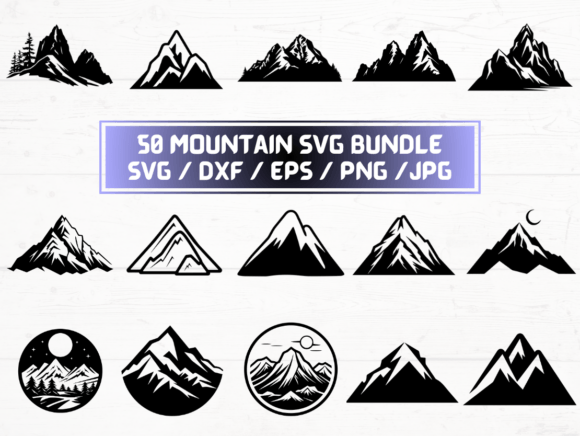
Opening the Mountain SVG ZIP folder, I immediately noticed the quiet strength of this design—not loud or flashy, but grounded. The silhouette is a single, fluid mountain range with soft peaks and subtle layering, no excessive detail or fussy outlines. It reads as serene at a glance, yet holds enough visual weight to stand alone on fabric. As an embroidery designer who’s stitched hundreds of nature-themed files, I appreciate how thoughtfully this balances simplicity and presence. It doesn’t scream “mountain”—it breathes mountain. That makes it ideal for handmade products where subtlety builds authenticity: think linen tea towels for a boutique kitchen line, organic cotton baby onesies, or minimalist sweatshirt embroidery for a small shop focused on slow-made apparel.
Where It Shines: Real Projects, Real Fabric
I tested Mountain SVG across three real-use cases: a medium-weight cotton tote bag, a fleece-lined unisex sweatshirt, and a 100% cotton pillow cover. On the tote, the clean lines held beautifully in satin stitch with light fill—no bleeding, no distortion. On the sweatshirt, I paired it with a medium-weight cutaway stabilizer and found the stitch density just right: dense enough to read clearly on textured fleece, but not so heavy that it stiffened the garment. And on the pillow cover? It looked like something you’d find in a curated home goods shop—calm, intentional, and unmistakably handmade.
This isn’t a design that needs embellishment. It works powerfully as a standalone machine embroidery design—no applique layers required, no extra motifs needed. That’s gold for Etsy sellers juggling production time and quality control. Whether you’re listing embroidered patches for outdoor brands or prepping holiday embroidery for personalized gifts, Mountain SVG delivers consistent, professional results without over-engineering.
Smart Pairings for Craft Business & Client Work
- Custom apparel: Works especially well on crewnecks, relaxed-fit tees, and structured caps—just confirm hoop size fits the curve before stitching.
- Baby embroidery: Gentle shape and open negative space make it safe for delicate fabrics; ideal for nursery decor or milestone blankets.
- Holiday embroidery: Layer it subtly beneath a monogram or pair with a tiny pine branch for understated winter charm—no clashing themes.
- Small shop product: Looks elevated on natural fiber aprons, ceramic mugs (as part of a printable mockup), or branded packaging labels.
Where to Pause—Not a Flaw, Just a Fit Check
Mountain SVG isn’t built for ultra-fine detail work. If you’re planning intricate satin-stitched lettering inside the peaks—or trying to shrink it into a 2-inch hoop for a child’s beanie—you’ll want to test carefully. The file set includes SVG, PNG, DXF, JPG, and EPS formats, which gives flexibility for digitizing adjustments, but remember: the original artwork sets the ceiling for clarity. On stretchy knits or thin rayon, use tear-away + topping to prevent puckering around the base line. On dark fabric, test thread colors first—medium charcoal or deep forest green often reads richer than black, adding warmth without losing definition.
Also worth noting: because it’s a single-layer graphic (not an applique design), there’s no built-in seam allowance or fabric-reveal guidance. If you’re turning Mountain SVG into an embroidered patch, plan your border stitch or merrow edge separately. And if you're selling finished items commercially, double-check licensing terms—this listing offers digital embroidery files, but commercial use rights aren’t stated outright in the product description.
What It Adds to Your Finished Product—Beyond Stitch Count
Embroidery isn’t just about what stitches land where—it’s about how the final piece makes someone *feel*. Mountain SVG adds quiet confidence. Customers notice that. When I added it to a batch of organic cotton kitchen towels for a local maker’s market, buyers consistently paused longer at that display. One told me, “It feels like it belongs there—not stuck on, but *meant* for the fabric.” That kind of resonance lifts perceived value, builds brand consistency, and quietly signals craftsmanship—even when the design itself is minimal.
For creative entrepreneurs, that matters. It means fewer returns due to “not what I expected,” more repeat customers drawn to cohesive aesthetics, and stronger buyer engagement on listings—especially when paired with thoughtful context in your product photos or Etsy descriptions.
Practical Designer Notes Before You Stitch
- Always run a test on scrap fabric matching your project’s weight and stretch.
- Check stitch density visually—if the fill looks too sparse on screen, it’ll read faint on fabric.
- Review small details in black-and-white mockups; contrast shifts dramatically on light vs. dark backgrounds.
- Use appropriate stabilizer: cutaway for knits, tear-away for stable wovens, topping for napped or textured surfaces.
- Confirm your embroidery file format matches your software—SVG is widely supported, but verify compatibility before digitizing or converting.
- If selling physical items, confirm commercial use rights are included—or contact the seller for clarification.
Final Thought: A Design That Serves the Maker
Mountain SVG isn’t showy—but then, the best design assets rarely are. It’s reliable, adaptable, and respectful of both fabric and intention. Whether you’re building a craft business, launching a small shop product, or creating personalized gifts for clients, this design supports your goals instead of competing with them. It leaves room for your voice—the thread choice, the placement, the pairing—to shine. In a world full of overdesigned graphics, that kind of quiet utility is rare. And honestly? That’s exactly what makes it worth keeping in your active design assets folder.